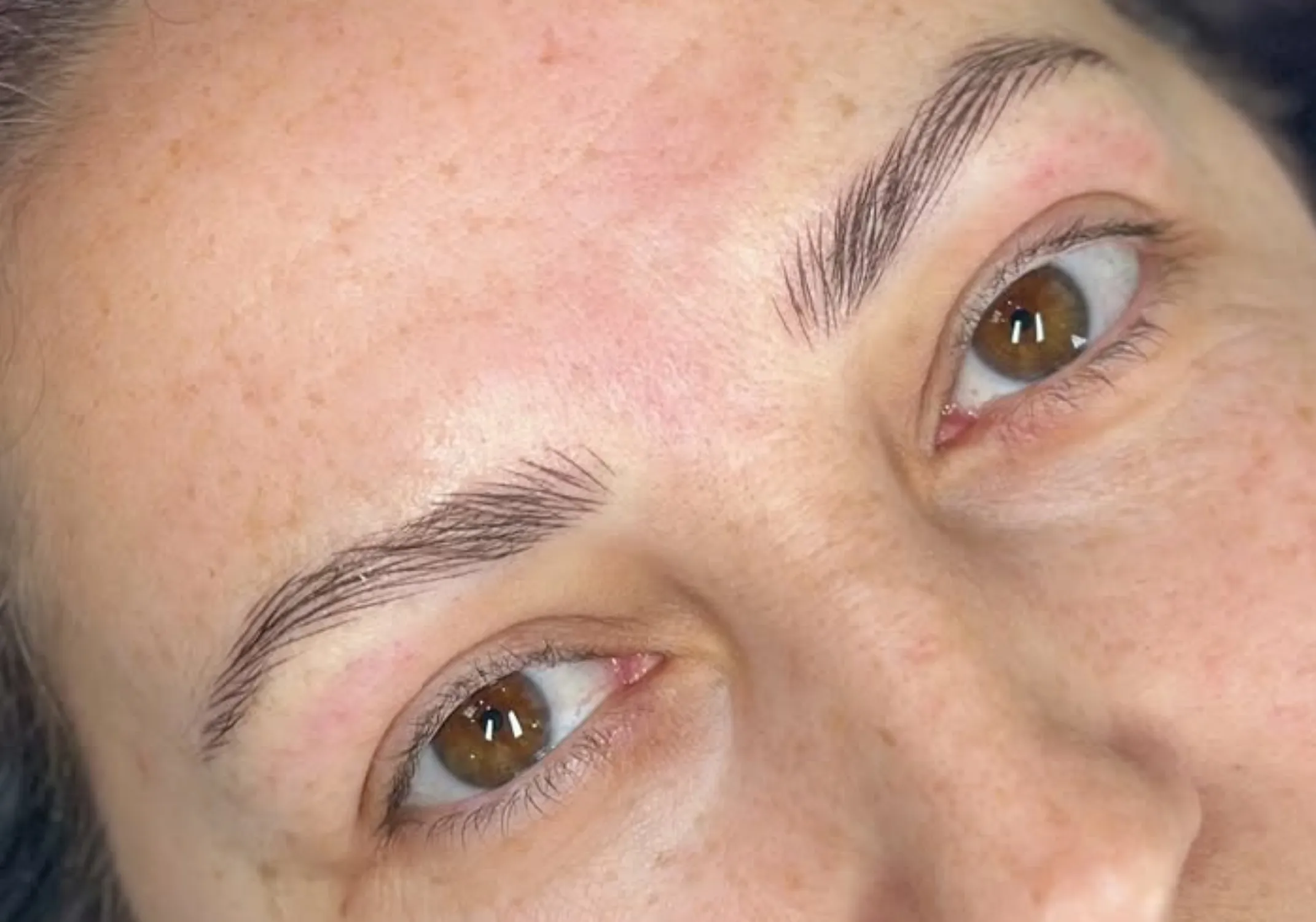
So you’ve fallen down the rabbit hole of feather-touch brows and flawless lip blush videos and now you’re wondering: What’s the difference between beginner and advanced cosmetic tattoo courses? Fair question. Because let’s be real — it’s easy to get swept up in Instagram-perfect brows without realising how technical this craft actually is.
Here’s the deal: not all cosmetic tattoo training is created equal. And knowing which course is right for your current skill level can save you time, money and a lot of botched practice skins. Whether you’re new to the beauty industry or looking to finesse your techniques, this deep-dive will help you choose the training path that’s right for you. Let’s get into it.
Contents
- 1 What’s the difference?
- 2 What’s Really at Stake
- 3 2025 Beauty Trends & Your Training
- 4 What Quality Looks Like
- 5 Real Talk from the Studio Floor
- 6 Final Takeaway
- 7 FAQ
- 7.1 Can I do an advanced cosmetic tattoo course with no experience?
- 7.2 What do I bring to a beginner cosmetic tattoo course?
- 7.3 How long does it take to feel confident as a cosmetic tattoo artist?
- 7.4 Are online cosmetic tattoo courses worth it?
- 7.5 How do I choose the best cosmetic tattoo course in Melbourne?
What’s the difference?
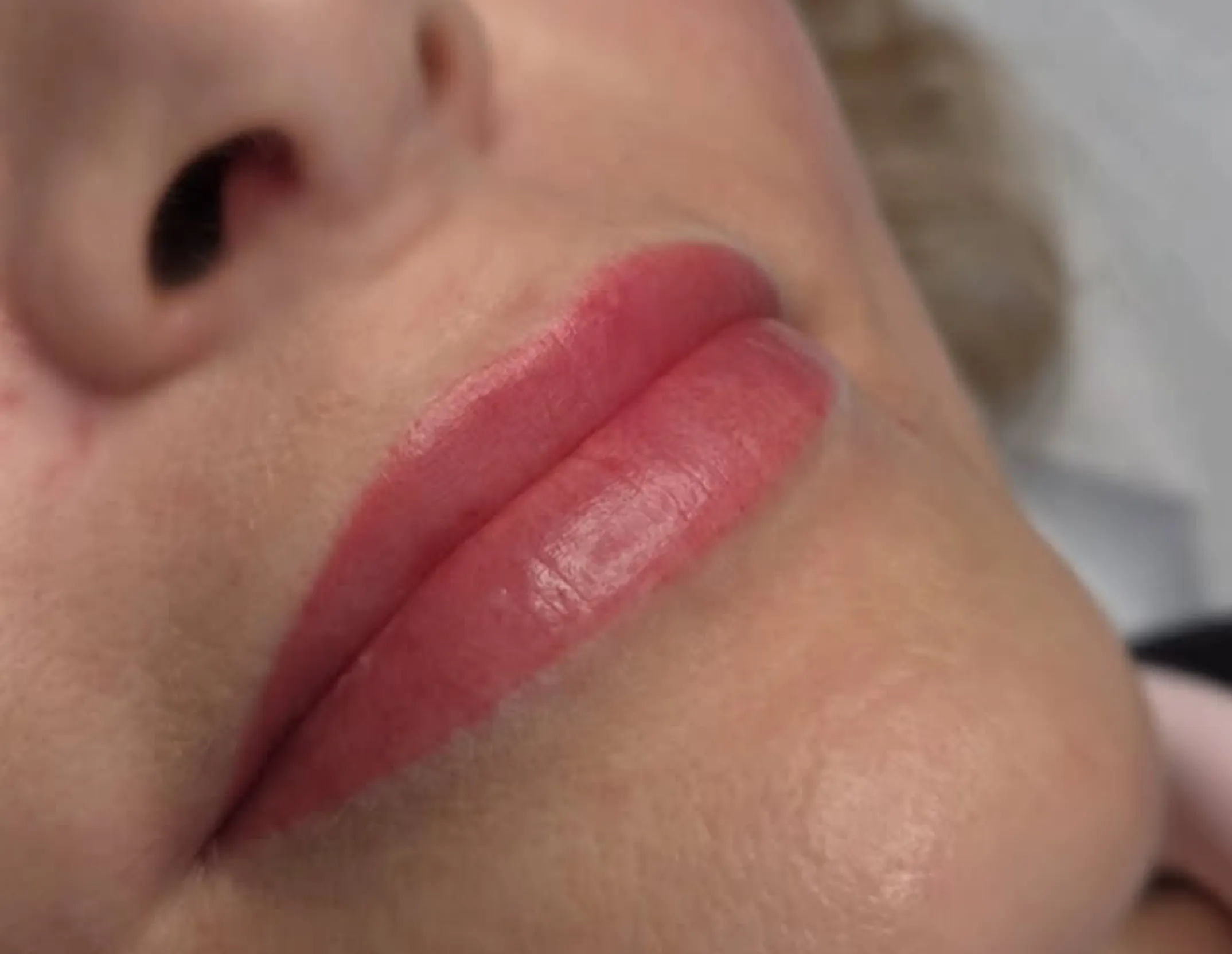
The main difference comes down to what you learn, who you learn it with and how far you take it. Every cosmetic tattoo artist, whether just starting or experienced in the industry, needs to know the basics, proper hygiene practices and how to work with different skin types and facial structures.
At Cosmetic Tattoo Melbourne Studio Face Figurati, we’ve seen students at all levels grow their skills through the right combination of theory and hands-on training. Our cosmetic tattoo courses are designed for both beginner and advanced students so no matter where you’re starting, you’ll leave with skills that are salon ready.
Beginner Cosmetic Tattoo Courses: Building Your Foundation
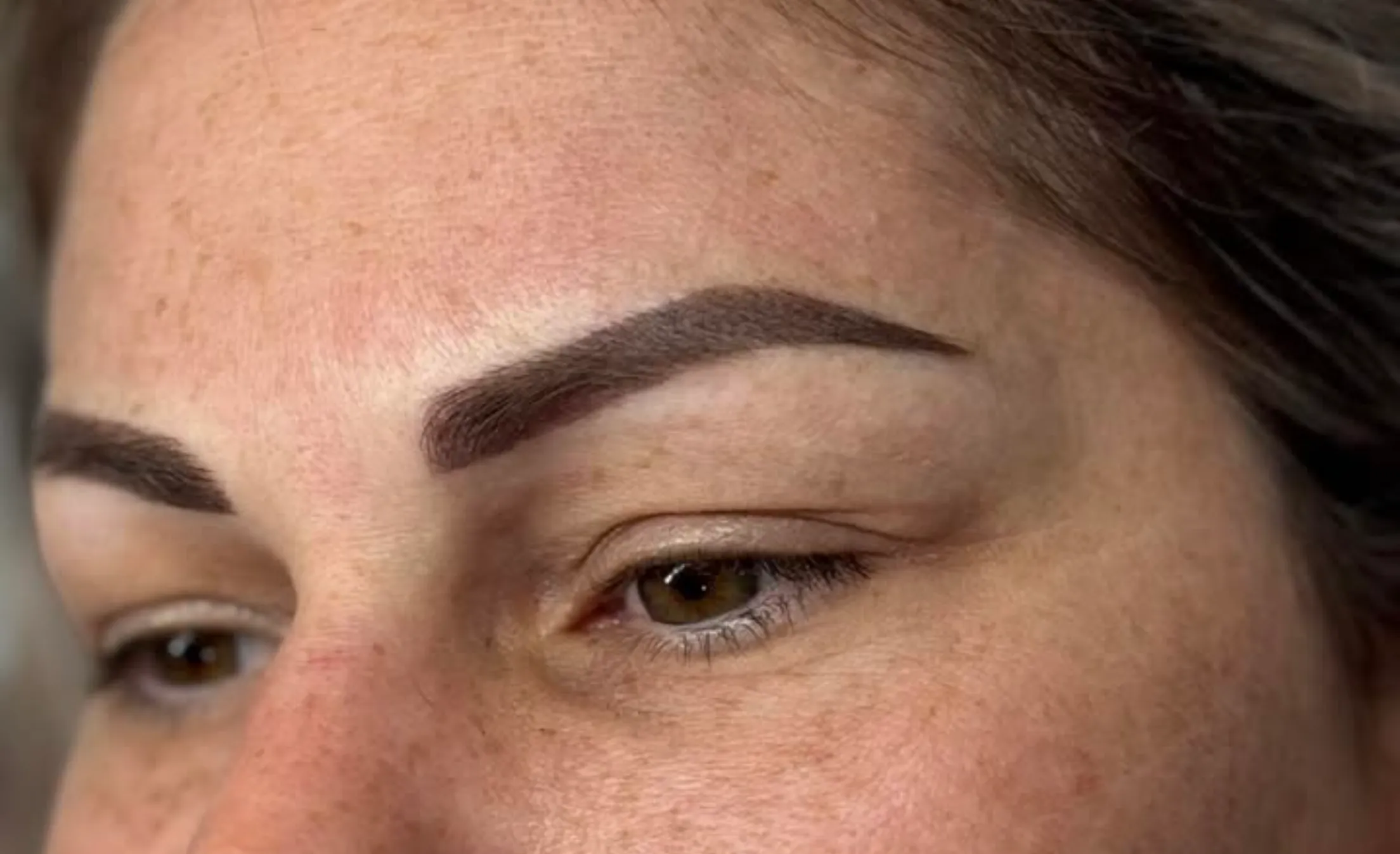
Beginner courses (also called “fundamentals” or “foundational” training) are for newbies to the industry or beauty professionals looking to branch into permanent cosmetics. You’ll cover:
- Skin anatomy, skin undertones and natural skin tone matching
- Pigment theory, pigment selection and colour retention basics
- Sanitation, hygiene practices, infection prevention and bloodborne pathogens
- Tattoo machines and needle configurations
- Basic brow shaping and facial structures
- Hair stroke patterns, powder brows and ombré shading
- Client consultation, skin rejuvenation basics and contraindications
- Post treatment care and healing timelines
You’ll work on artificial skin and latex practice materials before moving to practice on models under supervision. Most beginner programs are 3-6 days but may include homework, case studies and assignments for completion.It’s not for the faint of heart. It’s not just about getting ink in skin — it’s about depth training, correct depth and mastering the fundamentals that will give you long term results for your clients. The right course sets you up for life.
Advanced Cosmetic Tattoo Courses: Take Your Skills to the Next Level
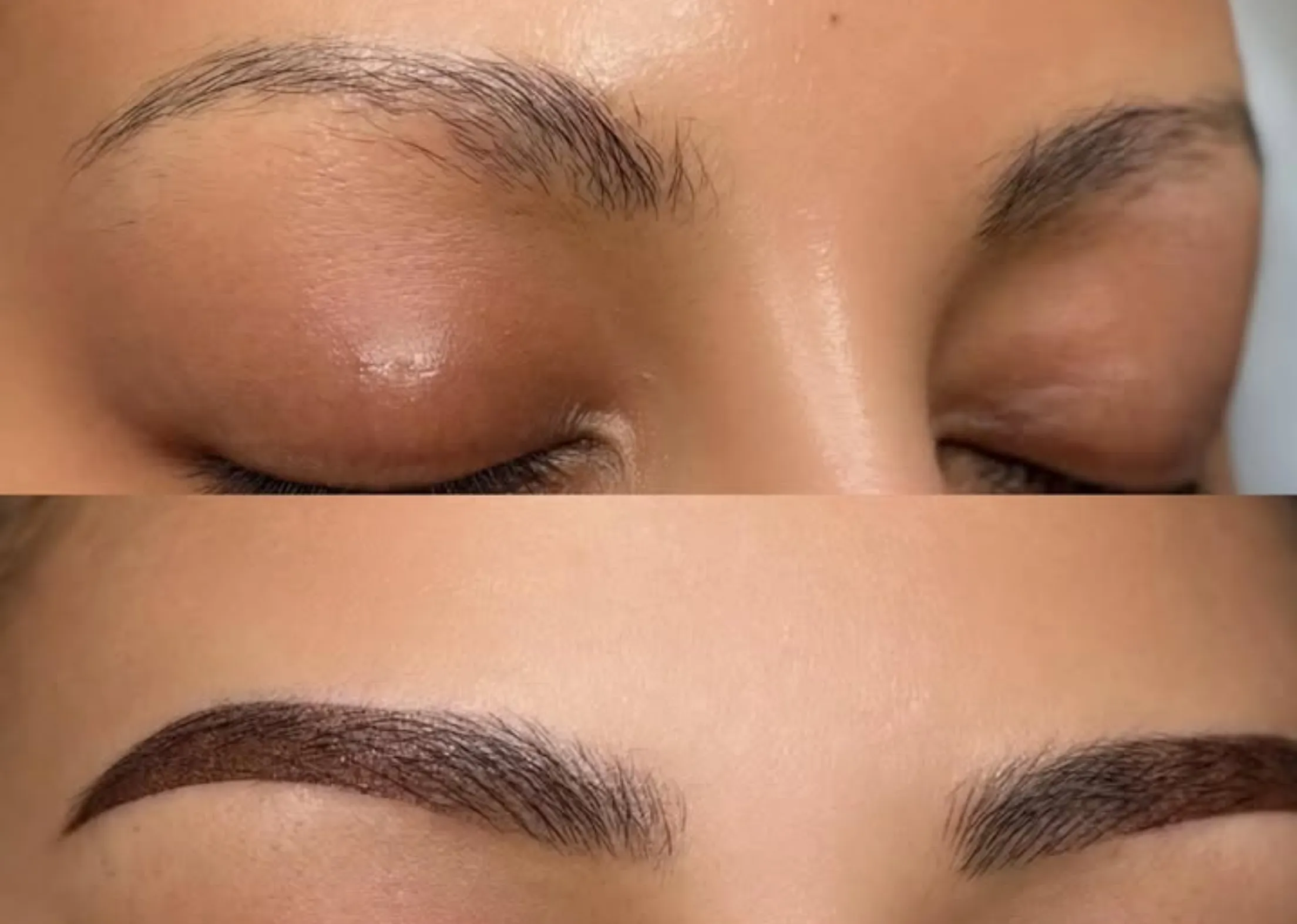
Advanced training is for cosmetic tattooists who already have a licence and have hands on experience working on real clients. These courses give tattoo artists a competitive edge and are often tailored to experienced professionals looking to advance their skills in their cosmetic tattoo career.
Advanced courses cover:
- Colour corrections and neutralisation for old pigment
- Advanced microblading and hybrid brow techniques
- Lip blush saturation control and lip shaping refinement
- Winged and shaded eyeliner tattooing
- Scalp micropigmentation, scar tissue considerations and skin stretching
- Saline or glycolic tattoo removal training
- Portfolio building, artistic flair and expert instruction in photography and branding
You’ll bring your own models and receive one on one feedback from the course instructors. Some advanced courses even offer electives to expand into skin rejuvenation or advanced aesthetics industry applications.
Beginner courses teach you to walk, advanced courses teach you to sprint – without face-planting. At Cosmetic Tattoo Melbourne Studio Face Figurati, our advanced students are mentored by experienced professionals who know the cosmetic tattooing world inside and out.
What’s Really at Stake
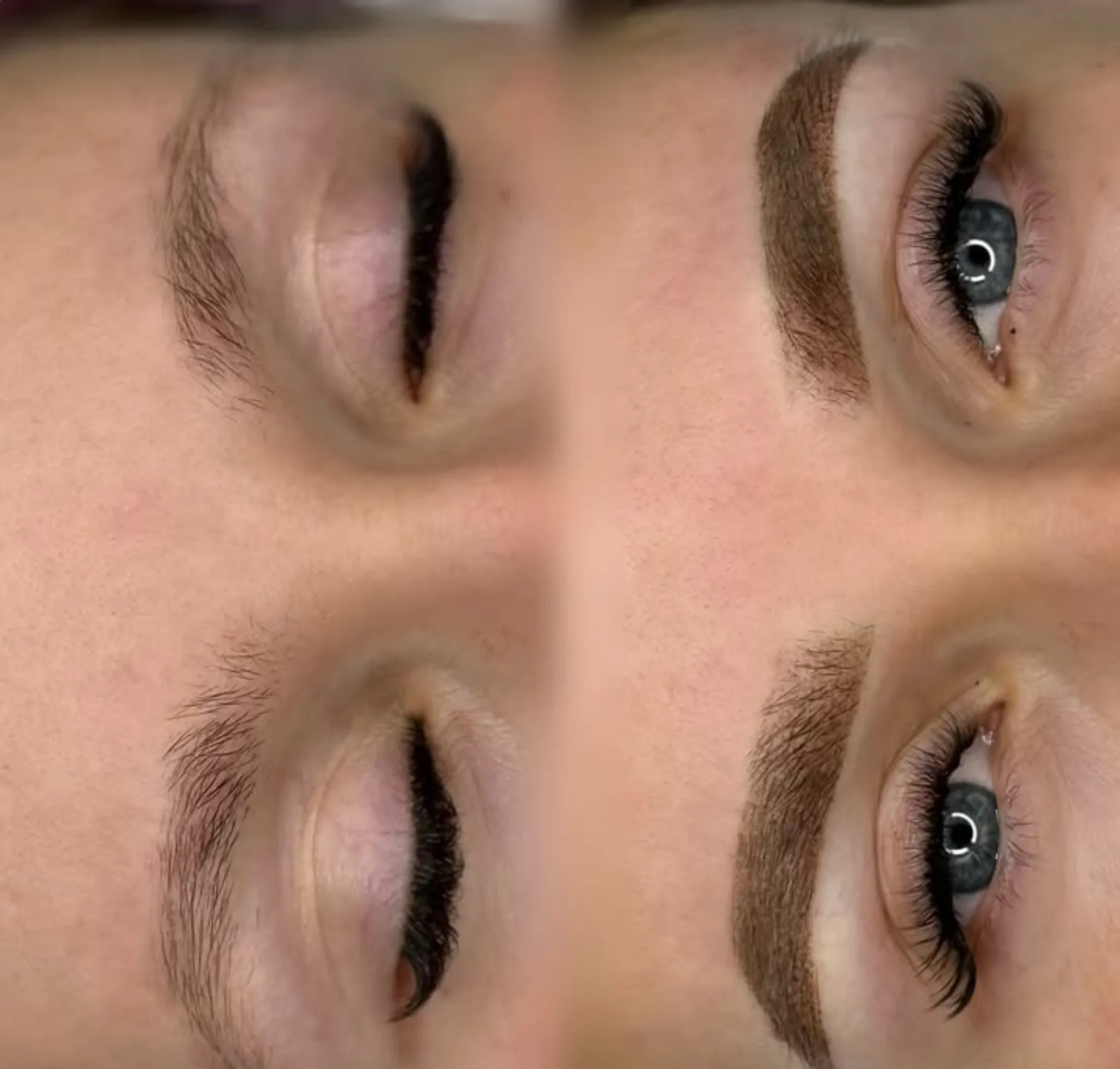
Trying to jump into an advanced course before you’ve got the basics down is like putting winged liner on with the lights off. It leads to frustration, confusion and potentially poor client outcomes.
Instead match your current skills and confidence level to the course that will stretch you just enough. Here’s a quick comparison:
| Feature | Beginner Course | Advanced Course |
|---|---|---|
| Entry Requirements | None or beauty therapist certification preferred | Cosmetic tattoo licence + extensive experience |
| Course Length | 3–6 days (plus case studies) | 1–3 days or topic-specific workshops |
| Techniques Taught | Core brows, eyeliner tattooing, lip blush foundations | Corrections, advanced microblading, combo techniques |
| Practice Focus | Practice materials, artificial skin, first live models | Practice on models, troubleshooting, refinement |
| Trainer Support | High-touch guidance and group learning | Personalised critique with tattoo course trainer |
| Ideal For | Newbies, beauty therapists, MUA crossovers | Tattoo artists looking to refine cosmetic tattoo procedures |
2025 Beauty Trends & Your Training
According to the 2025 Australian Beauty Industry Forecast, demand for hyper-natural finishes, inclusive pigment options and corrective cosmetic tattoo services has skyrocketed. This means advanced cosmetic tattooists need to master:
- Combination brow styles like powder brows and nano-hair strokes
- Colour selection and neutralisation strategies for healed tattoos
- Skin types including darker tones, mature skin and scar tissue
- Realistic eyeliner tattooing and lip enhancements
Meanwhile, beginner training courses are evolving to focus on:
- Infection prevention and legal compliance
- Hands-on training with practice on models
- Use of high-quality pigments for better colour retention
- Building confidence in basic skills and eyebrows skills
Translation? Training isn’t static. The cosmetic tattoo industry is dynamic and staying aligned with industry standards is what keeps your services to clients both relevant and in-demand.
What Quality Looks Like
Whether you’re starting out or levelling up, the course should offer a clear standard of training. Look for these features:
Trainer Experience
- Are they respected in the aesthetics industry with real-world salon or tattoo studios experience?
- Do they display healed results across multiple skin types?
- Are they recognised among industry leaders?
Accreditation & Compliance
- Does it meet local regulations and cosmetic tattooing licencing laws?
- Will your certificate reflect successful completion of required training courses or elective units?
Hands-On Experience
- Are you working with artificial skin and live models?
- Will the trainer assess your technique for correct depth and stretch?
Hygiene and Safety
- Are protocols for infection prevention, bloodborne pathogens and PPE up to standard?
Support and Mentorship
- Is post-training mentorship offered?
- Can you access additional person training or online courses as follow-up?
Client-Ready Training
- Does the program prepare you for real consultations, colour selection and treatment elective choices?
- Are you shown how to photograph work professionally for client satisfaction and social proof?
A good cosmetic tattoo course isn’t just about passing a test — it’s about building a long-term, thriving career in cosmetic tattooing. That’s exactly what we do at Cosmetic Tattoo Melbourne Studio Face Figurati.
Real Talk from the Studio Floor
I had a student come in for an advanced course on eyeliner tattooing. She’d never practised on real skin, had no idea of pigment theory and didn’t know how skin undertones affected healed results.She had a certificate, yes — but no practical experience and no hands-on training. We ended up focusing on the basics she’d missed.
In short, the certificate means nothing without practical experience and no amount of theory replaces working on real people. This is a fun industry but it requires more than surface level knowledge.
If you’re in Victoria and looking for a cosmetic tattoo Melbourne training program that combines skill-building with artistry, Face Figurati should be on your list.
Final Takeaway
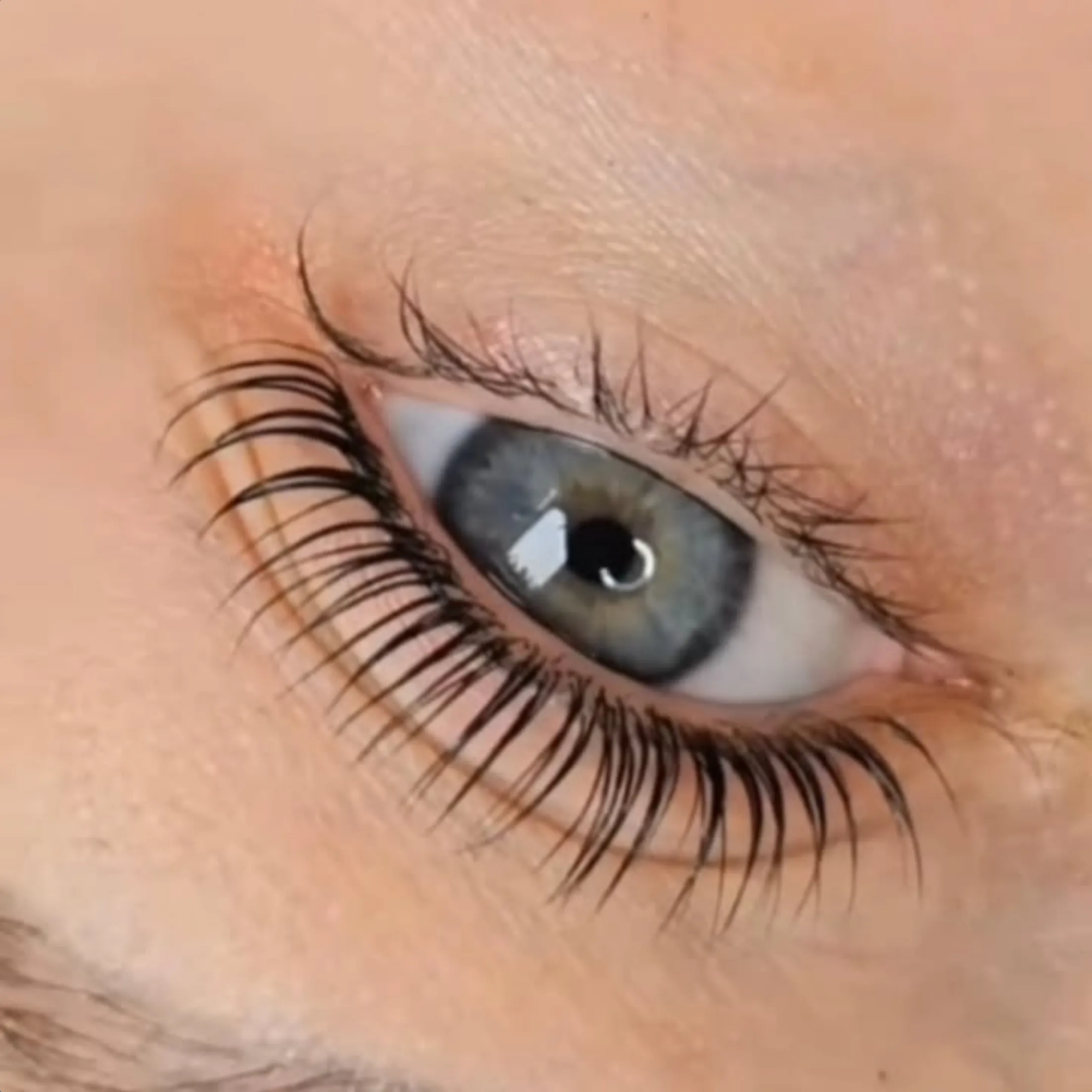
There’s no shame in being a beginner. We all start there — even the cosmetic tattooists with 50k followers and waitlists longer than a Bondi brunch queue.
If you’re still learning pigment selection or how to stretch the skin properly, beginner training is your best friend.
If you’re dealing with healed blues, scar tissue, or tricky colour corrections — it’s time to build advanced skills.
Wherever you’re at, the right cosmetic tattoo course can shape your cosmetic tattoo career for the long haul.
Want to learn more about becoming a successful cosmetic tattoo artist? Visit Cosmetic Tattoo Melbourne Studio Face Figurati — where professional training meets industry insight. We don’t just teach cosmetic tattooing — we help you thrive in it.
Curious which path suits you best? Shoot me a message. Happy to chat tattoo studios, course options and how to build your confidence in this exciting field.
FAQ
Can I do an advanced cosmetic tattoo course with no experience?
No — most advanced courses require you to have a cosmetic tattoo licence and hands on experience. Skipping the fundamentals can result in poor client outcomes and unsafe practice.
What do I bring to a beginner cosmetic tattoo course?
Bring a willingness to learn, a notepad and any pre-course materials provided. Most courses include practice kits and models, but always check with the trainer in advance.
How long does it take to feel confident as a cosmetic tattoo artist?
It varies. Some students feel confident after a few models, others need more time. Confidence comes with consistent practice, good mentorship and honest feedback.
Are online cosmetic tattoo courses worth it?
Online courses can support your learning but never replace hands on training. Tattooing is a tactile skill — you need to feel the skin, stretch it and adjust your depth in real time.
How do I choose the best cosmetic tattoo course in Melbourne?
Look for a course that offers accredited training, practical experience on live models, strong aftercare support and a trainer with healed results — not just filtered photos. Cosmetic Tattoo Melbourne Studio Face Figurati is one of the few studios offering all of this and more.