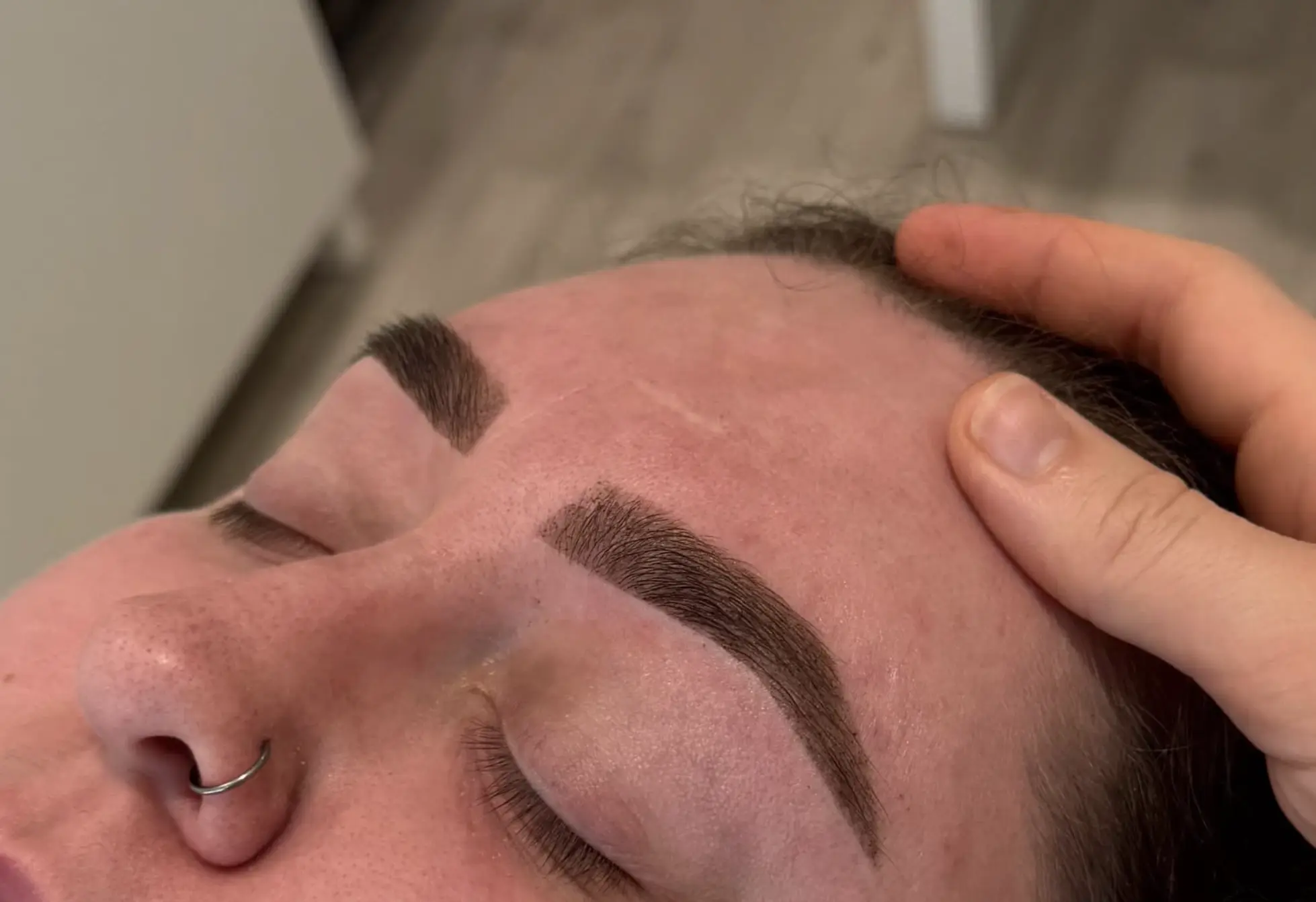
Who shouldn’t get permanent eyebrows? It’s one of the most important questions to ask before booking an appointment. An eyebrow tattoo can transform your look, save you time and give you long-lasting definition — but not everyone is a good candidate.
At my Melbourne studio, Face Figurati, I’ve seen firsthand how skin type, medical history and lifestyle can make or break your results. I’d rather turn someone away than give them brows that won’t heal well. So let’s dive into who should think twice before booking and what alternatives might work better.
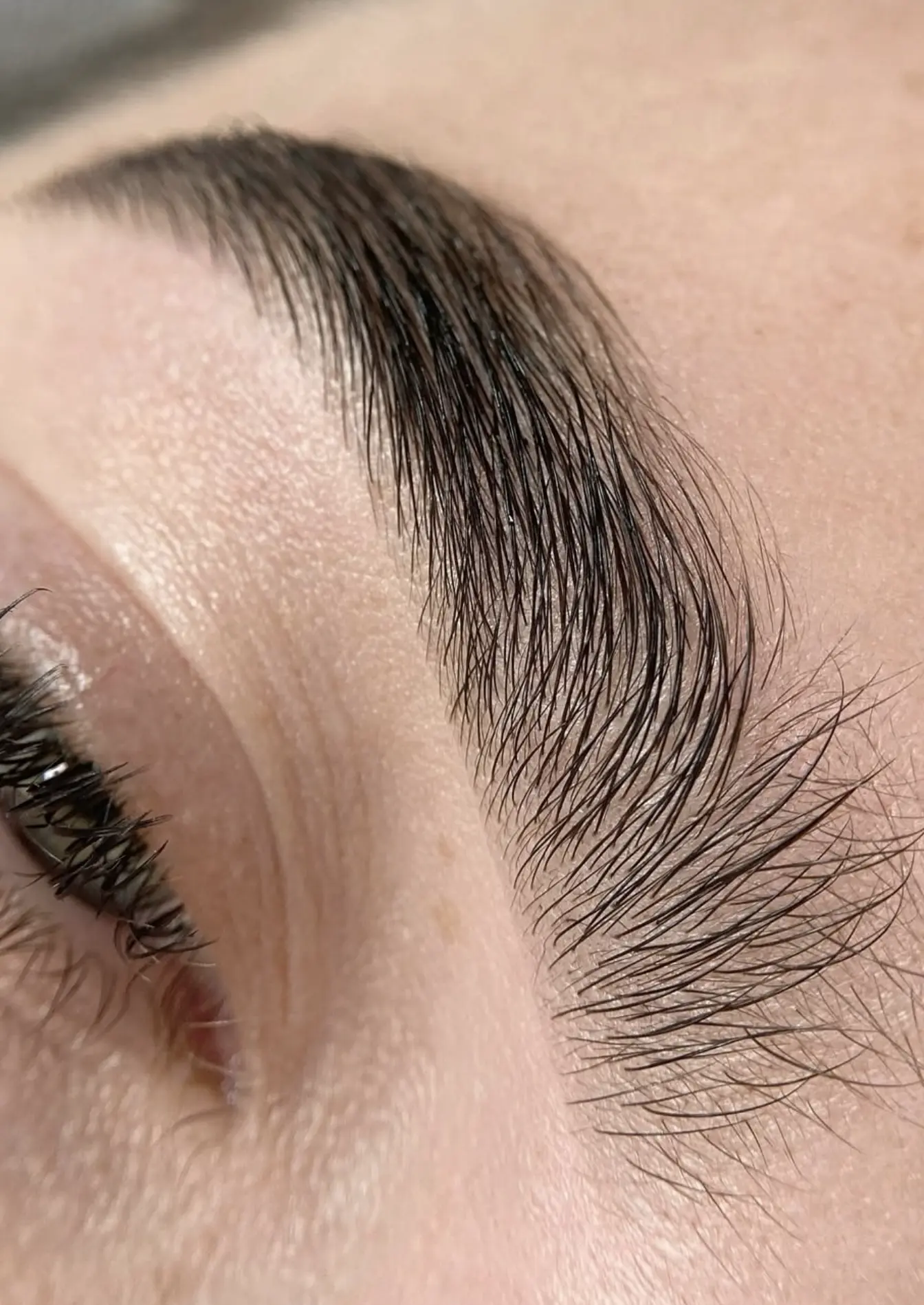
Contents
- 1 Why skin conditions matter more
- 2 Medical conditions that make brow tattoos unsafe
- 3 Pregnancy, nursing and eyebrow tattoos
- 4 Recent cosmetic procedures and timing
- 5 Allergic reactions and patch testing
- 6 Lifestyle factors that sabotage results
- 7 Healing process: what to expect
- 8 Table: Who Should Avoid Permanent Makeup 2025
- 9 When a cosmetic tattoo artist might say “no”
- 10 Alternatives if you’re not ready for permanent brows
- 11 Final reflection: honesty is the best policy
- 12 FAQ
Why skin conditions matter more
Your skin is the canvas, and if the canvas isn’t right, the art won’t last.
Active skin issues
Clients with eczema, psoriasis, dermatitis or cystic acne around the brow area often struggle with pigment retention. Inflamed or broken skin doesn’t hold colour, and attempting a procedure can cause adverse effects like infection or scarring.
For example, I had a client with psoriasis who desperately wanted microblading eyebrows. We waited until her flare-up calmed down before doing a patch test, and only then did we proceed.
Oily and sensitive skin
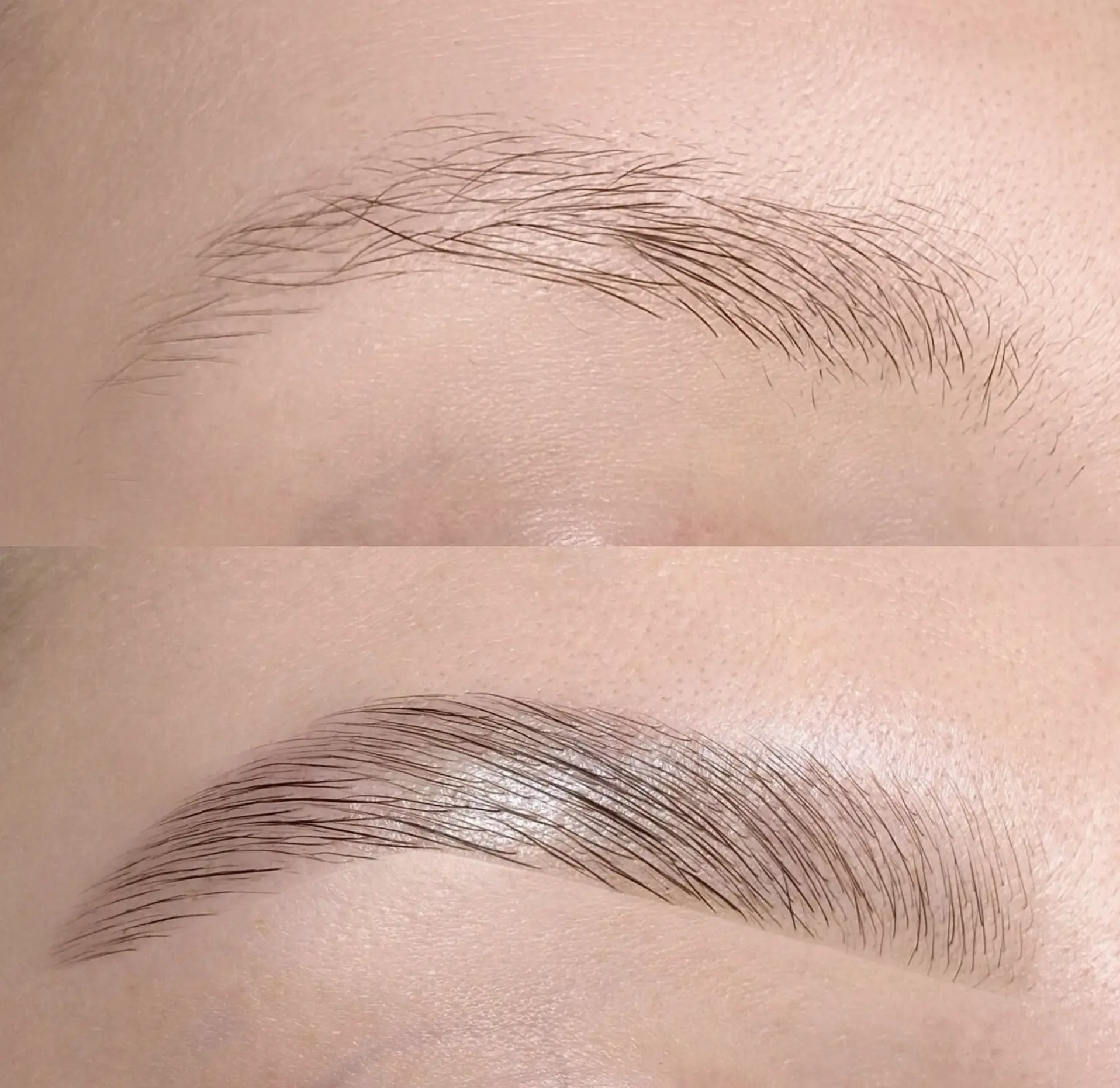
If you have oily skin, microblading (which uses fine hair-like strokes) might not be ideal. Oily skin types often see strokes blur within months. That’s why I usually recommend powder brows or Ombre Brows, which use a shading technique that lasts better on oilier complexions.
And for those with sensitive skin types or thinning skin from glycolic acid treatments, the healing process can take longer, and pigment may not settle evenly.
Medical conditions that make brow tattoos unsafe
Because an eyebrow tattoo is a semi-invasive procedure, your medical history plays a big role in whether you’re a safe candidate.
Blood-thinning medications and heart conditions
Clients on blood thinners or those with certain heart conditions are at higher risk. Bleeding during the microblading procedure can dilute tattoo ink, reduce pigment retention and increase healing complications. In these cases, a doctor’s note or medical clearance is required.
Autoimmune conditions and thyroid medications
Autoimmune diseases like rheumatoid arthritis, lupus or Crohn’s can affect healing and pigment retention. Those on thyroid medications often see their brows fade faster than average. It’s not impossible, but results can be unpredictable.
Organ transplants and immune suppression
If you’ve had an organ transplant, your immune system is suppressed, and you’re more prone to infection and poor healing. I never proceed without GP approval in these cases.
Pregnancy, nursing and eyebrow tattoos
I’m firm on this: pregnant women and nursing mums should not get permanent eyebrows.
Here’s why:
- Numbing agents and some aftercare products aren’t safe
- Hormonal changes affect pigment retention and healing
- Any infection risk affects both mum and baby
In Melbourne, we follow strict hygiene protocols, and my policy at Face Figurati is clear: wait until after you’ve finished breastfeeding.
Recent cosmetic procedures and timing
Your skin needs to be stable to heal well after an eyebrow tattooing session. If you’ve had:
- Botox injections around the forehead → wait at least 3–4 weeks
- Laser treatment (such as picosecond lasers or Q-switched Nd: YAG lasers) → wait 3 months
- Dermal fillers in the upper face → Consult your injector first
- Lip blushing or other cosmetic tattooing → Leave 6–8 weeks between procedures
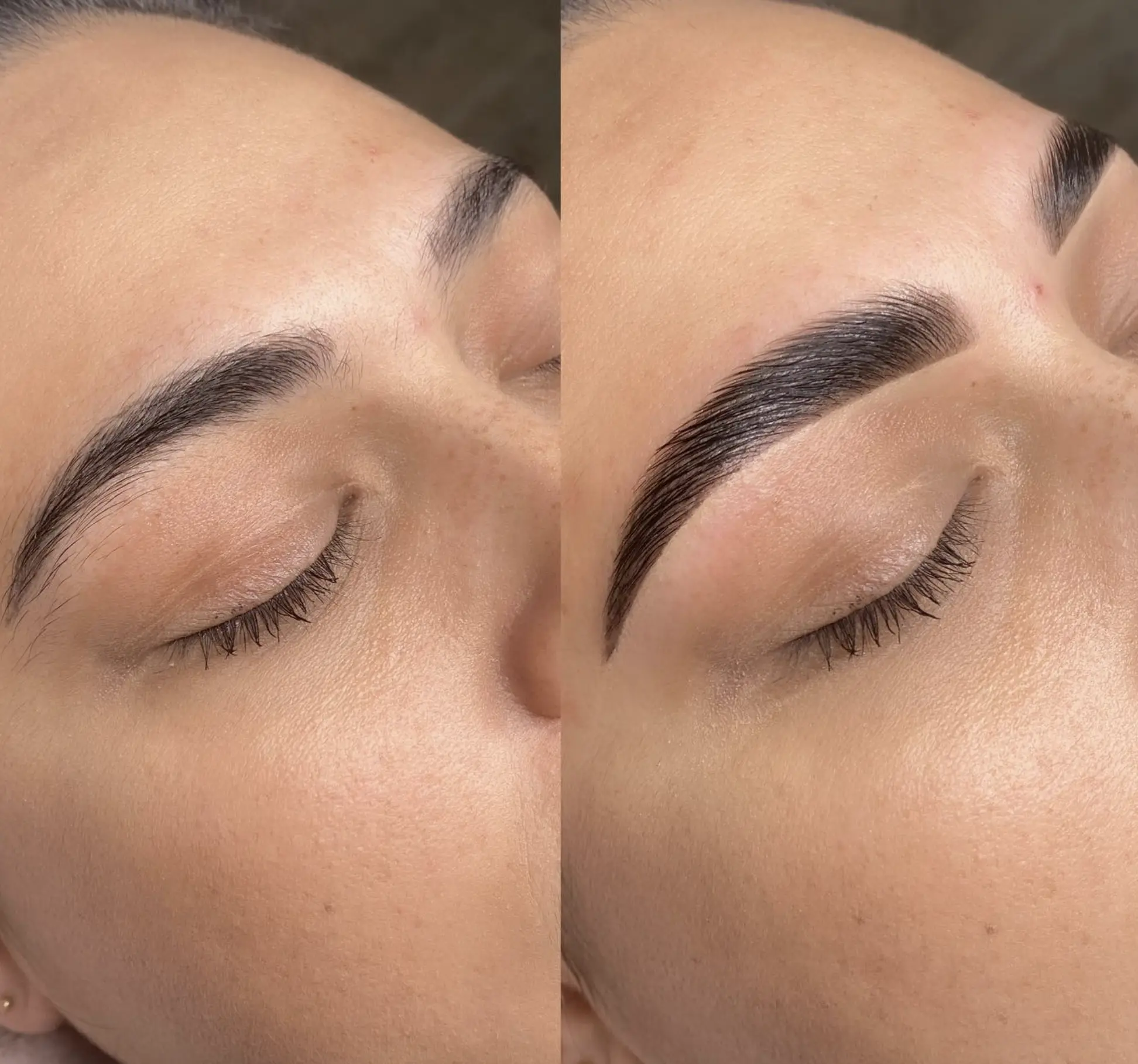
Rushing into multiple procedures can compromise your results. I had a client come in 2 weeks post-Botox – we rescheduled, and her healed brows turned out so much better.
Allergic reactions and patch testing
Pigments contain iron oxide, and numbing creams use numbing agents that some clients react to. A patch test checks for allergic reactions before we commit.
According to the 2025 Australian cosmetic tattooing data, 37% of adverse effects were avoidable with proper patch testing. Every licensed technician at Face Figurati does a patch test before any microblading technique or shading procedure.
Lifestyle factors that sabotage results
Sometimes it’s not about your skin or health – it’s about your daily lifestyle.
- Sun exposure: Australia’s UV levels are high, and without SPF, pigments fade faster.
- Swimming: Chlorine and sea salt strip pigment quickly. Surfers and swimmers often choose brow tinting instead.
- Heavy sweating: Gym lovers may lose pigment in the first 2 weeks of healing. If you’re training for an event, plan your session accordingly.
I had a client who loved open water swimming. Instead of microbladed eyebrows, she chose powder brows, which held up better under her active lifestyle.
Healing process: what to expect
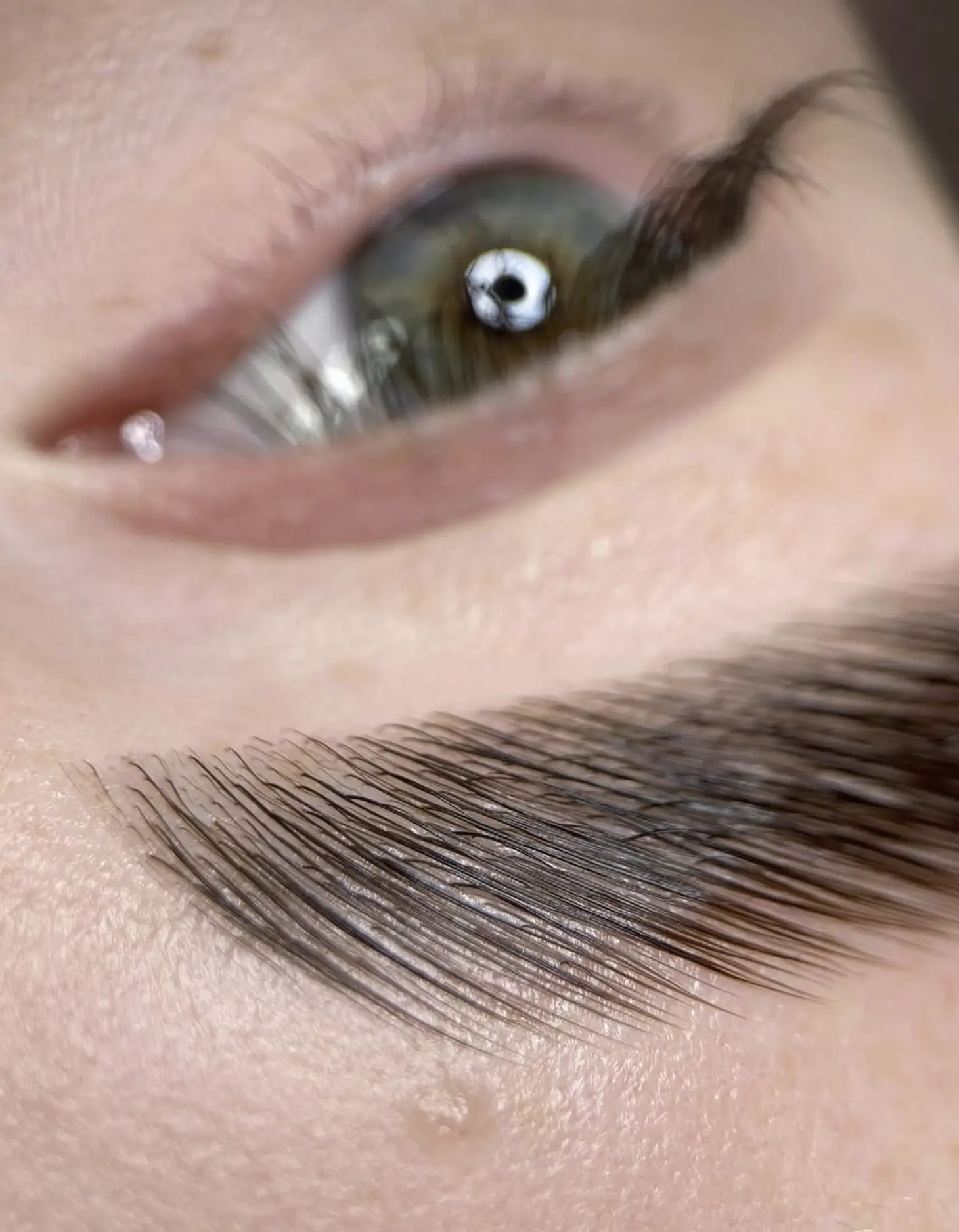
- Days 1–2: Brows look darker and fuller than expected
- Days 3–5: Flaking and peeling start (don’t pick!)
- Days 7–10: Brows lighten more than expected – this is normal
- Weeks 4–6: Final colour appears after a touch-up
Your brow shape will soften and settle as the pigment heals. Clients with autoimmune conditions or sensitive skin types may take longer. Using recommended aftercare products and following hygiene protocols is key.
Table: Who Should Avoid Permanent Makeup 2025
| Risk Factor | Why It Matters | Safer Alternative |
|---|---|---|
| Blood thinners/heart issues | Excess bleeding, poor pigment retention | Brow tinting or pencils |
| Autoimmune diseases | Slow healing, pigment rejection | Powder Brows later (with GP clearance) |
| Pregnancy/breastfeeding | Risks with numbing agents & infection | Brow lamination |
| Organ transplants | Immune suppression, infection risk | Non-invasive brow styling |
| Active cystic acne/eczema | The skin barrier is too weak | Henna brows |
| Frequent sun exposure | Faster pigment fading | Tinting + SPF daily use |
When a cosmetic tattoo artist might say “no”
At Face Figurati Cosmetic Tattoo Studio in Melbourne, I’ve had to tell clients their timing or skin just wasn’t right. Maybe it was pre- or post-op surgeries, or a history of keloid scars that raised red flags.
My goal is never to turn someone away permanently — sometimes it’s just about waiting for better conditions. The difference between rushed and well-prepped brows can be years of confident wear.
Alternatives if you’re not ready for permanent brows
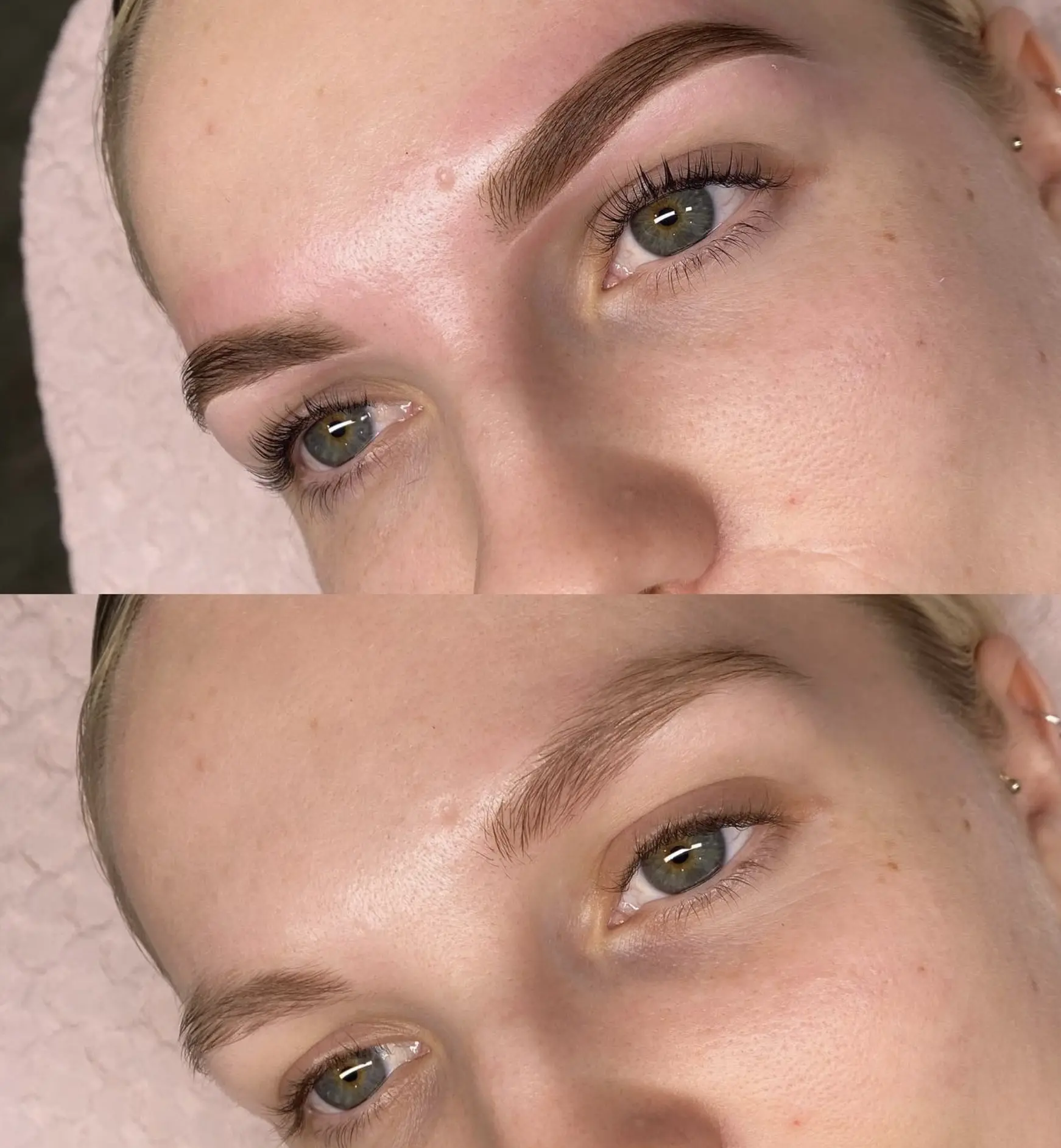
If now’s not the time for microblading or Combo Brows, don’t worry. You still have great options:
- Brow tinting for colour depth
- Henna brows for a natural stain on both skin and hair
- Eyebrow pencils and gels for tattoo-like strokes at home
- Brow lamination for fullness without pigment
- Powder brows later if your skin or health improves
Final reflection: honesty is the best policy
Permanent makeup can be life-changing, but only when your skin type, health, and lifestyle line up for success. Whether it’s microblading eyebrows, powder brows, or Ombre Brows, the right choice is the one that heals well and flatters your brow shape naturally.
FAQ
Can I get an eyebrow tattoo if I have oily skin?
Yes, but powder brows or Ombre Brows are usually better than microblading eyebrows, which can blur more quickly on oily skin.
Why can’t pregnant women get eyebrow tattoos?
Because numbing agents, pigment, and infection risk make it unsafe during pregnancy and breastfeeding.
How long after Botox can I get a microblading procedure?
At least 3–4 weeks, so the skin is stable enough for accurate tattooing techniques.
Will a patch test guarantee no allergic reactions?
It greatly reduces the risk but doesn’t provide a 100% guarantee. Still, every cosmetic tattoo artist should do one.
What’s the safest alternative if I’m not a candidate for eyebrow tattoos?
Options include brow tinting, lamination or using high-quality eyebrow pencils for everyday definition.